
Program
Indoor Programs
January Program
Daylighting Urban Streams:
Nature Based Solutions for Climate Resilience and Justice
Dr. Luna Khirfan
School of Planning , University of Waterloo
On Line Only
7:30 PM, Thursday January 15, 2026
Dr. Luna Khirfan is an Associate Professor at the School of Planning, University of Waterloo, Canada. Her research explores the intersection of public engagement, policy making, and climate change adaptation, with a strong emphasis on climate justice. She develops coupled human-natural systems models to inform planning and policy while accounting for equity and resilience. Dr. Khirfan’s current work investigates the daylighting (de-culverting) of urban streams (restoring buried waterways and reintegrating them into urban landscapes) as a nature-based solution for climate change adaptation and mitigation. She also serves as co-investigator on the Urban Futures project, which examines climate resilience strategies in African cities. Her expertise has been recognized globally through her contributions to recent chapters of the report of the Intergovernmental Panel on Climate Change (2022) and the UN-Habitats’ World Cities Report: Cities and Climate Action (2024).
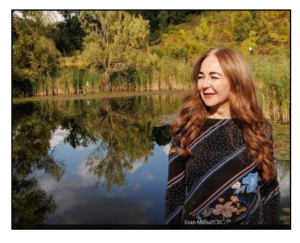
As cities confront the escalating impacts of the climate crisis, nature-based solutions (NbS) are emerging as powerful strategies for resilience. Among these, “daylighting” buried urban streams (restoring waterways that were culverted during rapid urbanization) has gained global attention. This presentation explores why daylighting matters and how different approaches shape its outcomes for climate adaptation, mitigation, and urban livability.
Through a comparative lens, the presentation examines two contrasting cases: Seoul’s Cheonggyecheon restoration in South Korea, a bold mega-project that uncovered over six kilometers of stream, and Zürich’s bachkonzept policy in Switzerland, which has incrementally daylighted more than 25 kilometers of smaller stream segments since 1988. Despite stark differences in scale, timing, and cost, both interventions have transformed their cities, though in distinct ways. Neither fits neatly into conventional models of abrupt or directed transformations; instead, they reveal nuanced pathways for reintegrating natural systems into dense urban fabrics.
The findings highlight how daylighting can deliver multiple benefits: reducing flood risk, cutting greenhouse gas emissions by reclaiming auto-oriented spaces for transit and active mobility, and restoring socio-cultural connections to water. These lessons underscore that while the climate crisis demands urgent action, transformative change can take many forms, whether disruptive or incremental. For planners, policymakers, and communities, daylighting offers a compelling example of how cities can adapt and thrive by working with nature rather than against it.
Please note that if the link to join online requests a passcode, please enter SNS. If you have trouble connecting via the Zoom link, please text or phone LeeAnn at 306-880-9027. Please consider joining the meeting a little early so we can address any problems.
All members who have registered an email address with SNS will receive an email containing the link to join the meeting through Zoom. If you have not registered an email address with us, but would like to do so, please contact Claire Bullaro at c.bear@sasktel.net.
Previous Presentations
Miss a talk?
Want to:
Review previous presentations?
Learn more about our natural world?
Check out below.
If a speaker gives us a copy of a presentation we will have a link set up below.

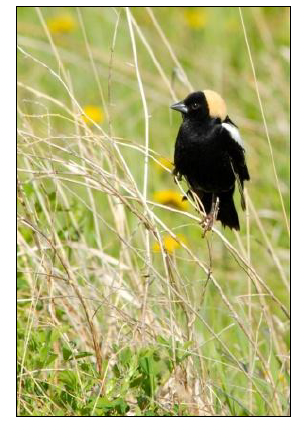
Habitat Restoration in the Canadian Prairies:
When and Where Does it Work, and Why Do
We Need to Keep Habitat Intact?
Dr. Lauren Bortolotti
Institute for Wetland and Waterfowl Research
Ducks Unlimited, Manitoba
7:30 PM Thursday, December 11
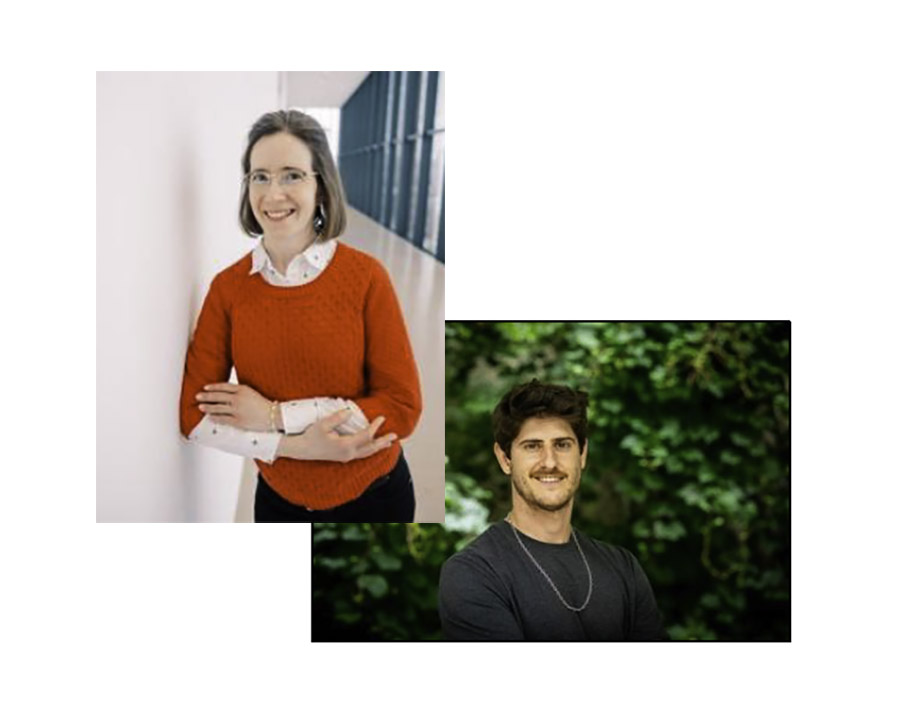
Honey Bees vs. Wild Bees:
Friends, Foes, or Frenemies?
Dr. Sarah Wood
Western College of Veterinary Medicine, University of
Saskatchewan
and Emilio Prieto MSc
7:30 PM Thursday, November 20
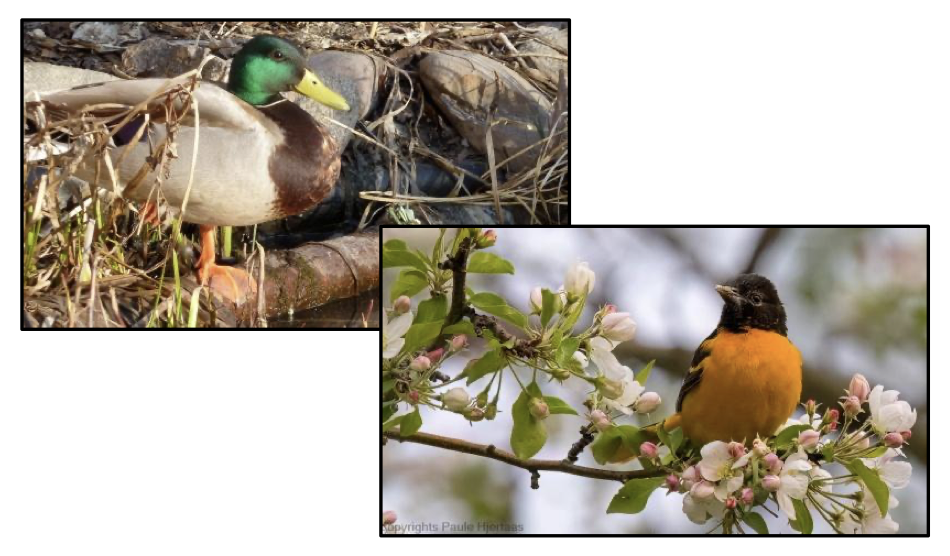
“Through the Seasons at Olson Place”
Dale Hjertaas and Paule Hjertaas
7:30 PM Thursday, October 16, 2025
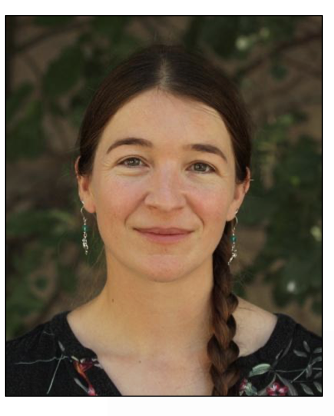
“What’s smell got to do with it?”
Dr. Leanne Grieves
Mary and Stuart Houston Chair in Ornithology
An introduction to Avian Chemical Communication.
7:30 PM Thursday, September 18, 2025

“Nurturing Seeds of Change”
Renny W. Grilz
7:30 PM Thursday, Thursday April 17, 2025

“Wildlife, Landscapes, & Geology”
Dr. Dale Leckie
7:30 PM Thursday, Thursday Feb. 20, 2025

Nature Saskatchewan: A History and Update
With Ellen Bouvier, BSc.
7:30 PM Thursday, January 16, 2025

Eat Pray Love
The secret lives of spiders.
With Catherine Scott
7:30 PM Thursday, December 12, 2024

The Future of Conservation on the Prairies
Dr. Branimir Gjetvaj,
Prairie Food System Vision Networks
7:30 PM Thursday, November 21, 2024

Saskatchewan Muskegs: What Are They and
Why Do They Need Our Help?
Dorothy Bird, Saskatoon, Member of “For
Peat’s Sake”
7:30 PM Thursday, October 17, 2024

Monitoring and Science for Recovery of
Whooping Cranes
Mark Bidwell and John Conkin
7:30 PM Thursday, September19, 2024

Reflections on Peregrine/human Interactions Throughout History
With Lynn Oliphant
7:30 PM Thursday, April 18, 2024
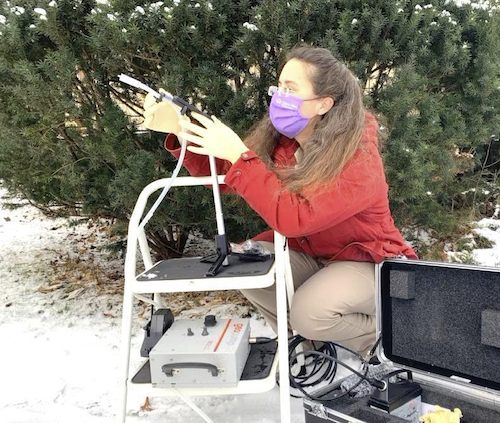
Measuring Biodiversity by Harnessing the
Wind
with Elizabeth Clare
York University, Toronto
January 18, 20024

Magnificent Mōlī: Laysan Albatross
of Kaua’i
with Hob Osterlund
December 2023

Hunting Aurora Borealis
by Dale Boan
Saskatchewan Aurora Hunters
October 2023

The Beaver: A Geographic Journey
Dr. Glynnis Hood
February 2023

Dr. Fabien Mavrot University of Calgary
January 2023

Emerging Diseases in Wildlife
Trent Bolinger
October 2022

Tracking Migratory Birds:Where Do They Really Fly? – Ernesto Carman
September 2022

Wetland Drainage and its Impacts on Biodiversity in the Prairie and Parkland Region of Canada
Kiel Drake
February 2022

Woodland Caribou in Saskatchewan
Michael McLaughlan
R.P.F.Ministry of Environment & Fish, Wildlife & Lands
December 2021
Workshops
Due to Covid-19 workshops have been suspended until further notice.
Monthly Meetings and Speaker Programme
Listen, learn, and share ideas with people who are passionate about our natural world!
SNS offers a monthly speaker programme from September to April on the third Thursday of the month. All meetings are live streamed through Zoom.
During the fall and spring months presentations will be in hybrid format: speakers will present live at in-person meetings while being simultaneously streamed through Zoom. During winter months speakers may be streamed from outside the Saskatoon region and on these occasions, there will be no in-person meeting.
All are welcome to attend these meetings either in-person or through Zoom. Look for details about each month’s meeting in the SNS membership newsletter, confirming any in-person meeting time and place. A reminder email with the meeting details and Zoom link will be sent to each member whose current email address is on file.
Non-members who wish to attend through Zoom should provide their name and email address to Claire Bullaro at c.bear@sasktel.netfor each meeting. Please consider becoming a member of the Saskatoon Nature Society if you wish to receive the Zoom link automatically each month.
In person meetings are held on the University of Saskatchewan Campus and are thus subject to the university’s rules regarding COVID restrictions. At present, masks and social distancing are encouraged but not required. We will not be providing shared refreshments, so please bring your own drinks and snacks.
The monthly meetings include announcements from the SNS president. If you have an announcement or notice, please contact the president at least 2 days before the meeting.
Saskatoon Nature Society
Connecting People and Nature
Saskatoon Nature Society
Box 27013 Grosvenor Park
Saskatoon, SK S7H 5N9
Important Links
Become a Member
- Click HERE for more information.
Contact Us
Saskatoon Nature Society
Box 27013 Grosvenor Park
Saskatoon, SK S7H 5N9